- Always use a bigger container than you think you need.
- Thinning seedlings always feels a bit cruel, but it must be done.
- Plants in containers need to be consistently watered, and often!
- That being said, plants can drown.
- A healthy garden is its own little ecosystem.
- Plant flowers!
- Don’t kill all your bugs. You’re really going to need some of them.
- Never underestimate the tenacity and perseverance of an armadillo.
- Soil is a living thing!
- Start small.
Hey, friends! If you’re seeing a bunch of “Protected Posts,” do not fret. You’re not being left out. I’m doing some construction on this blog to bring you the best I have to offer. You may not notice the changes right away, but you will in due time. Think of it as scaffolding on slow construction. When its all done, you may not even remember what was there before, but I hope you will like the finished product! Thanks for visiting!
Protected: Why I Write
“The best place to seek God is in a garden. You can dig for him there.”
-George Bernard Shaw
Creek Critters and Other Catastrophes
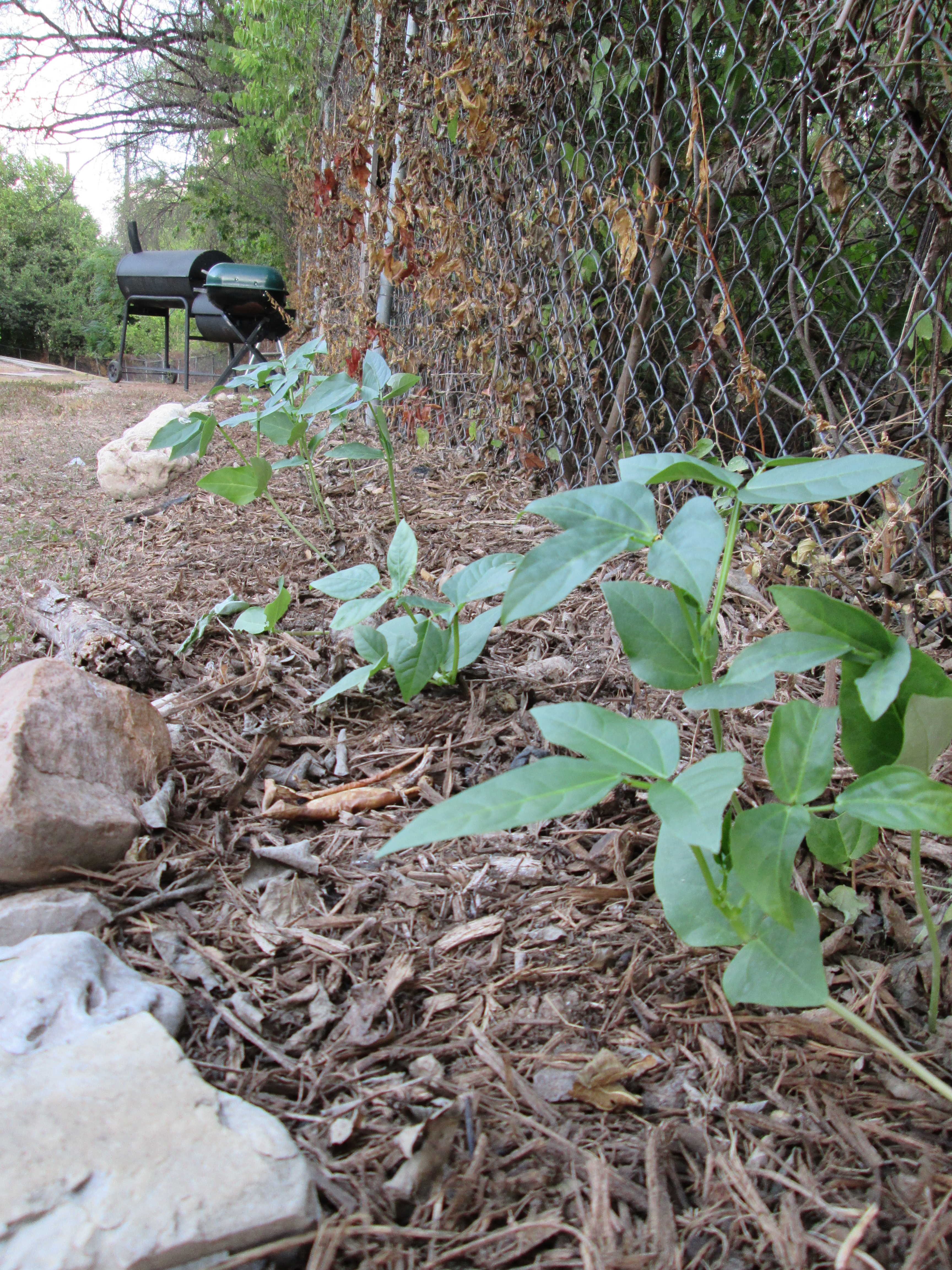
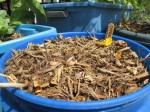
So the armadillo who was rumored to have made a buffet from the cowpeas planted in my guerrilla garden turned out to just be a rumor. I started to doubt it myself when I saw the perfectly round-shaped, little holes in the mulch, too. Whatever’s getting in there has got tiny little hands that dig, not scratch. This morning, I got my answer: a family of skunks. The dog went for them and I immediately flashed back to the skunk incident of ’08. (Where on earth did I leave that large bottle of peroxide?) The dog was lucky, but the cowpea control group, less so. Probably less than half survived. I’d even reseeded after the first raid, but then something started eating the tender little seedlings from the soil line up. Those few plants that did survive seem to be doing just fine. Now if I can just keep my dog from trampling them when she investigates the rustling leaves along the back fence, they might just produce.
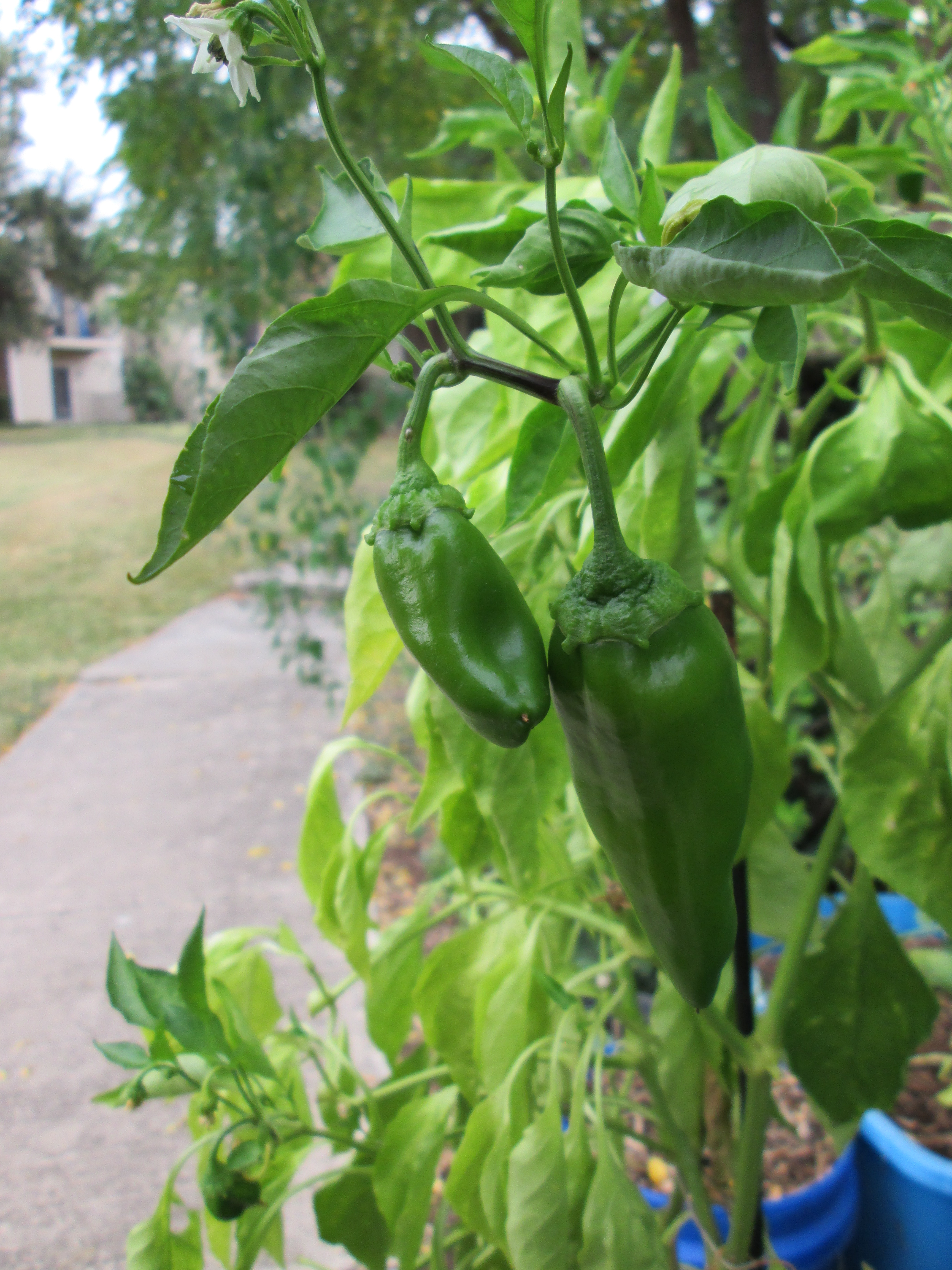
Summer’s just a tough time for my garden. The intense heat causes leaves to wilt midday. The containers require, at the very least, once daily watering. In the case of tomatoes and peppers, sometimes twice daily to ward off the types of soil moisture fluctuations that cause blossom end rot. That brought up another issue I’m still investigating: when all the leaves on my peppers went from deep green to pale yellow. Too much water? Too little water? Too much crappy, chlorinated municipal water? Nitrogen deficiency? Micro nutrient deficiency? Probably a combination.
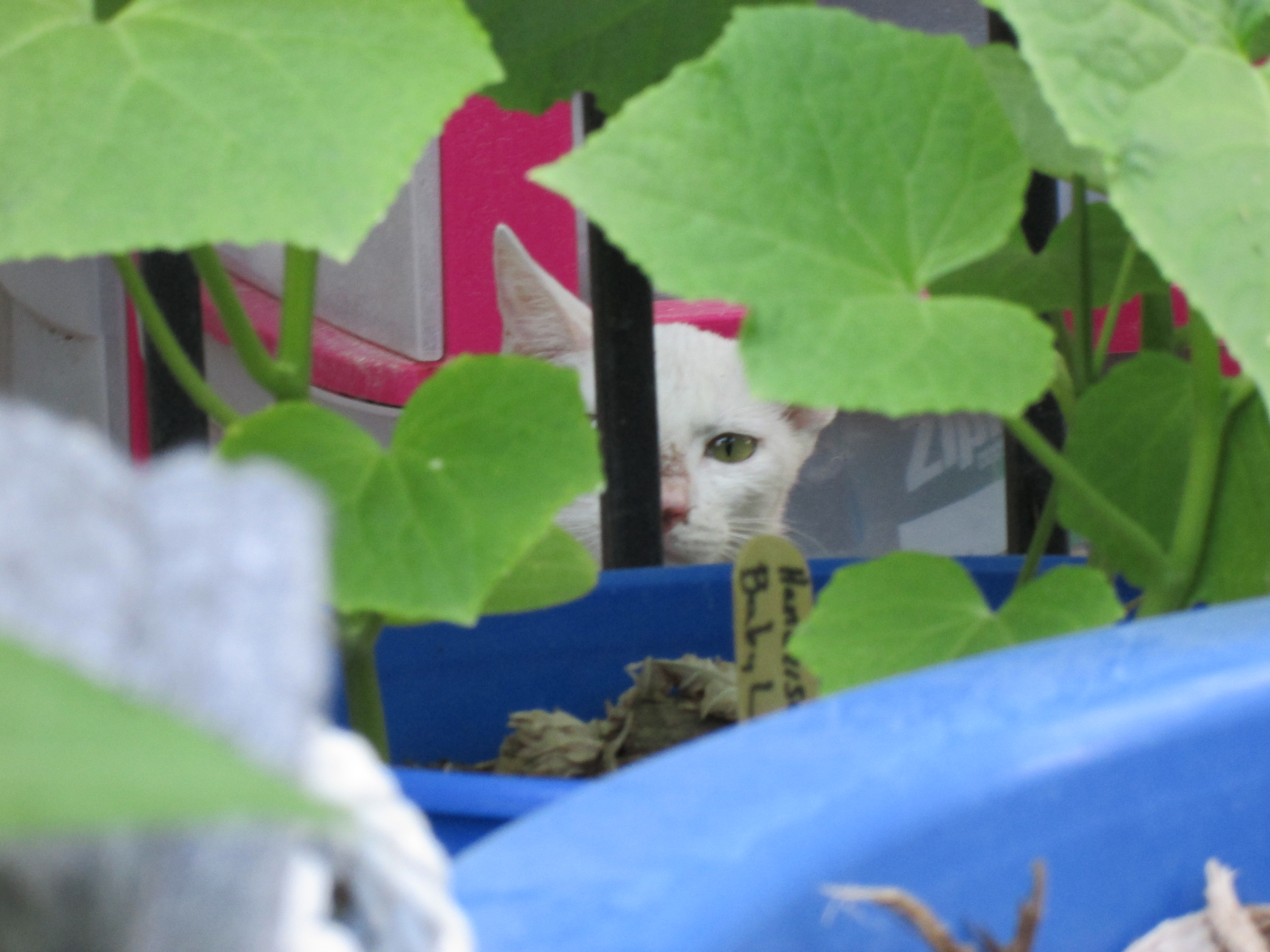
None of this is helped by the infestations that have begun. Things were really going well there for a while. I had birds and little anole lizards, and ladybugs, and paper wasps protecting my garden. We even have a few neighborhood cats patrolling the grounds. There seems to be a rodent problem on the opposite side of the property. Not here!
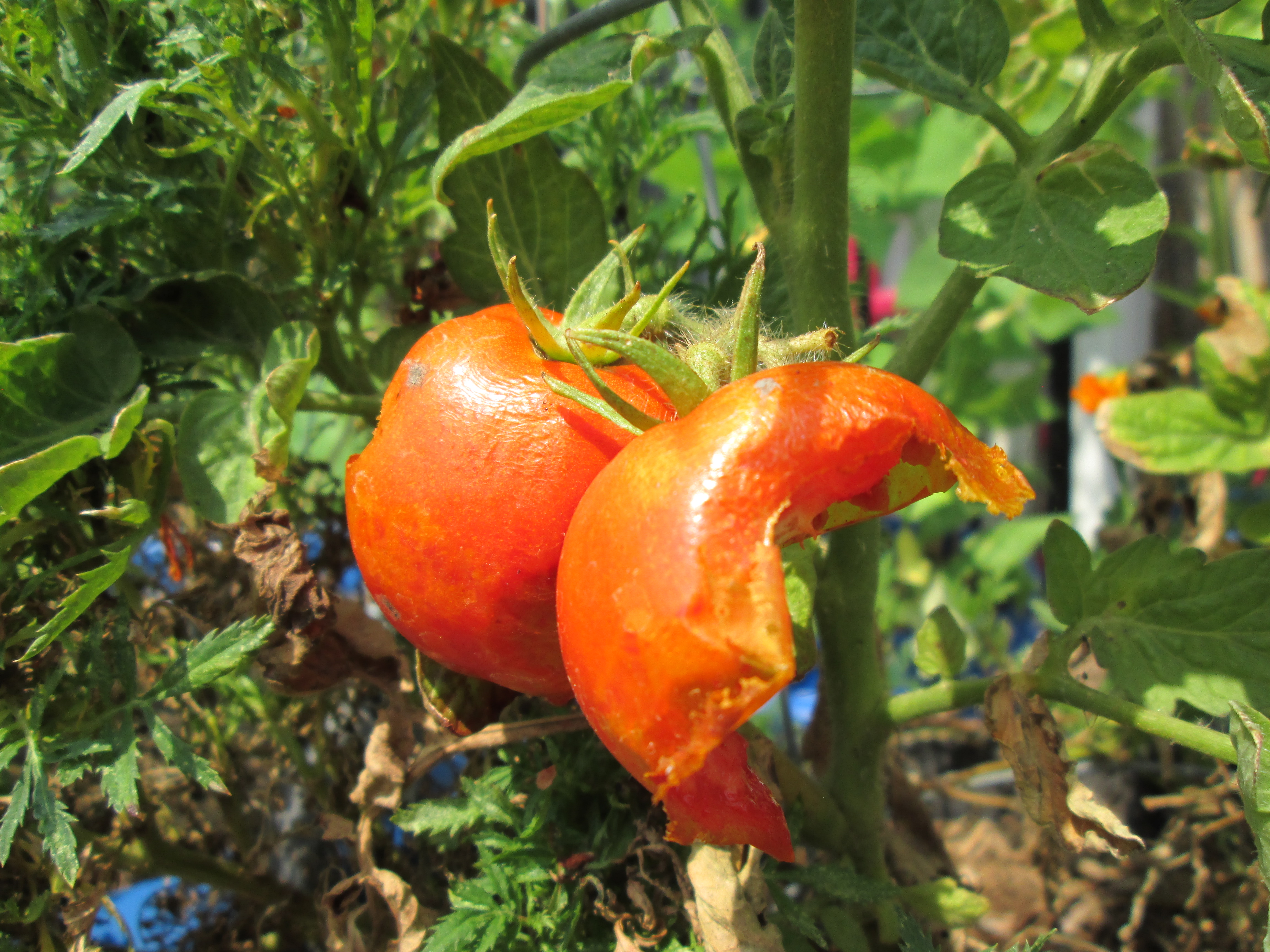
And then it happened… first the mosquitoes, then the aphids, then something lopped off the tops of my cabbage and broccoli seedlings. If I get my hands on the lousy vermin that ate the only two tomatoes that August produced, we are going to have a nice, short, and succinct come-to-Jesus meetin’!
Summer’s tough. Maybe I got a wee bit too confident because I was getting a lot better at spring planting. It’s not all bad, though. I’ve got some okra and a nice early tomato plant that I nursed all the way up from seed this summer. I am torn, though. A nice, typically mild winter will make it fun to grow all sorts of cool weather crops, but I can’t help but wish for a freakishly hard winter freeze. I can’t imagine I’ll be too heart-broken to let all them skeeters, fleas, flies and other nasty pests die in frozen soil. I know, chances are the skeeters and I will both be wearing shorts and a light sweater come Christmas Eve, but a girl can dream, can’t she?
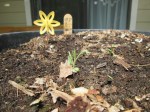
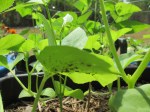
Flowers Blooming!

Portulaca

Morning glories enjoying the cooler weather.

Portulaca

Morning glories

Morning glory

Morning glories

Morning glories vining on stair railing

Portulaca

Morning glories vining up the staircase
A couple years back in September, late in the morning, I checked the days forecast and ecstatically prepped my bicycle for a nice local trail ride. I hurried to make the most of the day’s cooler temperatures. I loaded up my bike and popped an old cassette tape in to the deck and sang the whole way. I unloaded my bike at the park and saw a few folks joyously making their way onto the trails wearing the same kind of giddy smile I had on my face. I ran into hikers and bikers along the trail, all expressing the same glee at the beautiful day we were given to enjoy the outdoors after over a month’s worth of triple digit temps.
This morning was much like that one as I leashed the overly anxious dogs and headed out for the morning walk. When it comes to south central Texas weather, I have to remind myself that everything is relative. Native outdoor enthusiasts remember this as we pass each other on these beautiful days that are clearly gifts from God. We pass each other on the trails and giddily exclaim, “Can you believe it? The high is only ninety-five today!”

“There are two spiritual dangers in not owning a farm. One is the danger of supposing that breakfast comes from the grocery, and the other that heat comes from the furnace.”
-Aldo Leopold
Still lots of fall planting left to do!
Fall planting is underway! It’s not too late if you’re still looking to get some seeds in the ground. Okay, so it is late for some long-growing heat lovers like ‘maters and peppers, but don’t worry, there’s plenty other yummy things that we’re just in time for!
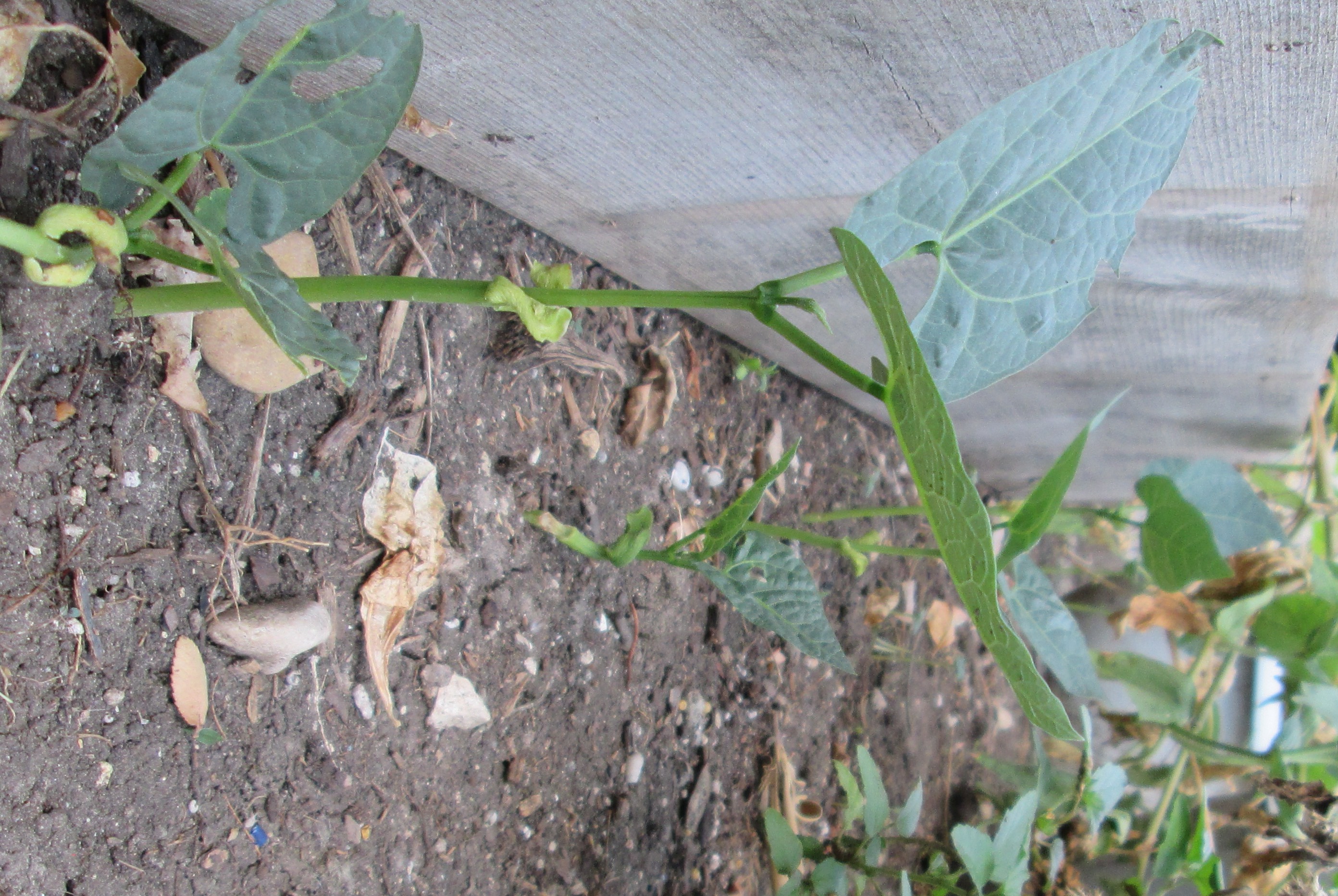
- Lima Beans: these come in both stubby bush types and vining pole types. For fall, use the bush types. These are low-maintenance like cowpeas. I’ve planted them in some bare, unworked soil just off the sidewalk to test just how low-maintenance they can be. These are Henderson bush limas. So far, so good!
- Snap Beans: also available in both bush types and pole types. Again, use the bush types for fall planting. I’ve tried a couple varieties. So far, Blue Lake is my favorite.
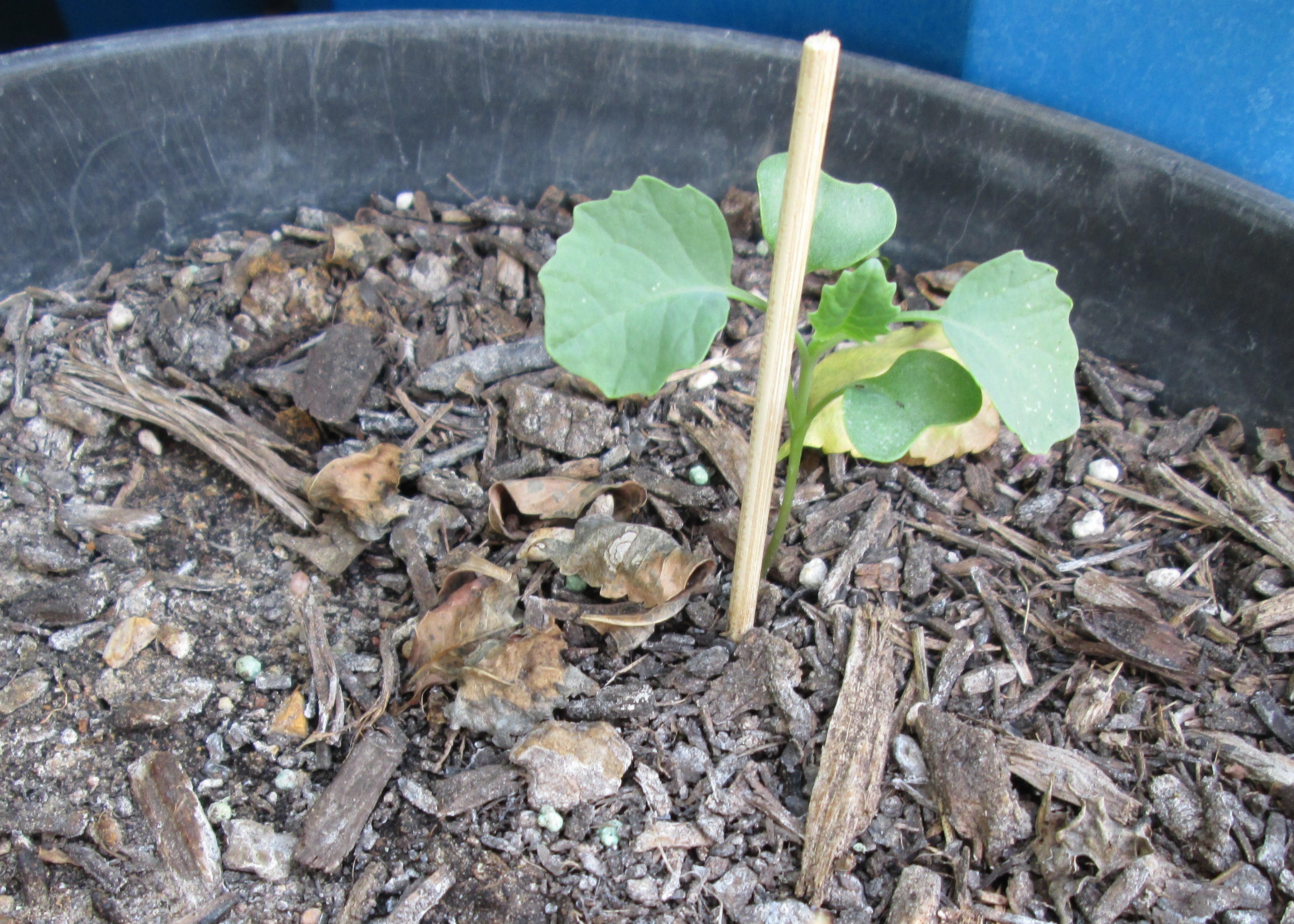
- Broccoli and Cabbage: I’m trying myhand at these this year. I’m struggling to understand how these cool-weather veggies will be able to survive an autumn hotter than most folk’s summers, but I’m trusting the process and am prepared to be either humbled or amazed, or both! I planted a variety named DeCicco, but there are other varieties that have been recommended by the local extension service.
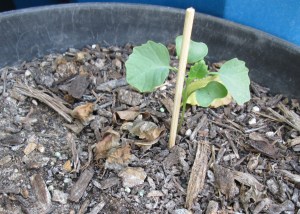
De Cicco Broccoli 08/15/2015
(Wooden skewers help to deter cats.) - Cucumbers: my favorite! There are so many varieties to choose from, it’s hard to know where to start. Check out the above link for some great suggestions. There are short-vining types, like Spacemaster, that are great for containers, but even longer-vining types can be trained up a trellis to save space. If you don’t have bees around to do the pollinating for you, choose a parthenocarpic type like Sweet Success that self-pollinates, or be prepared to “help the process.”
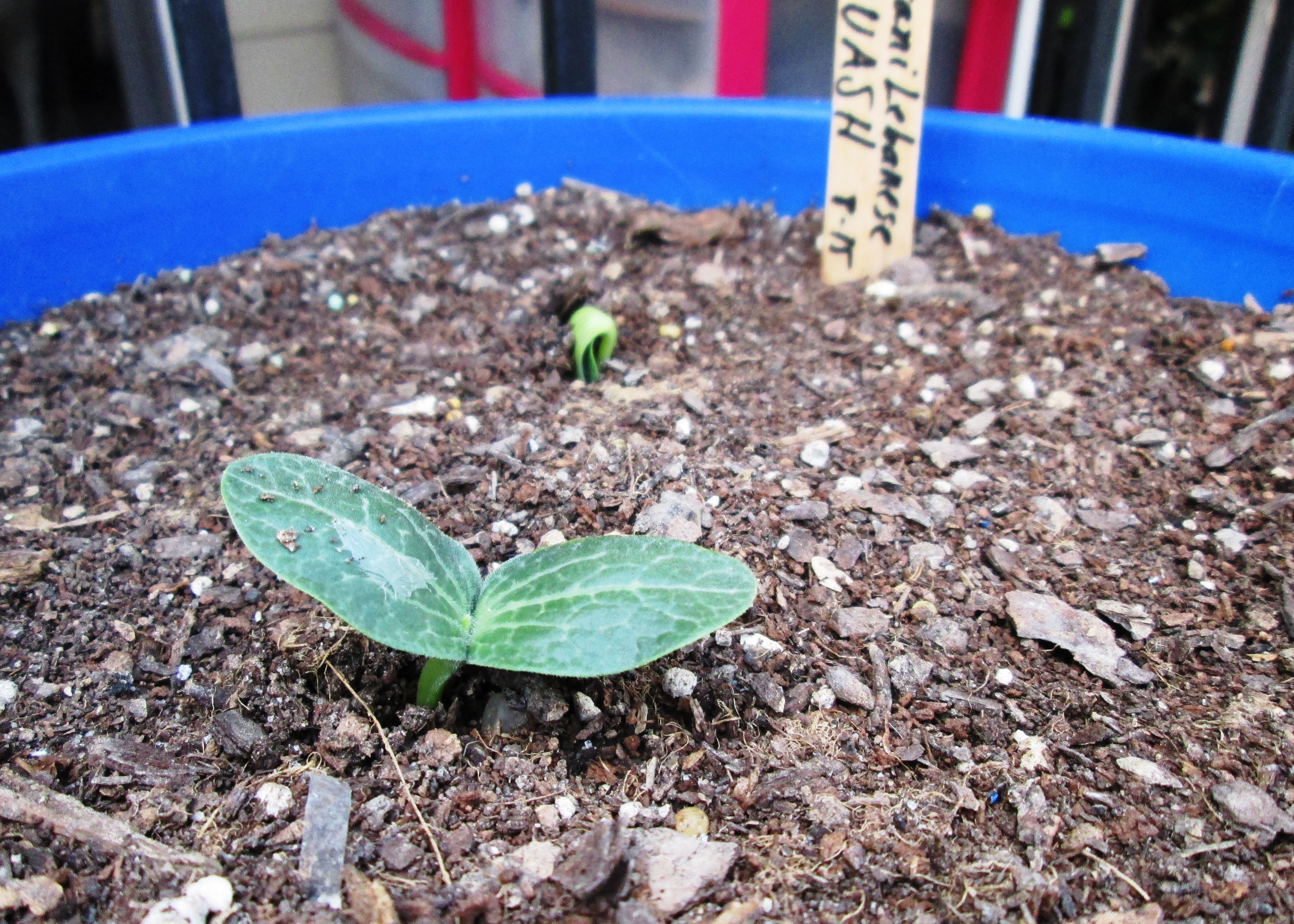
- Summer squash: If you’re planting in containers look for a compact
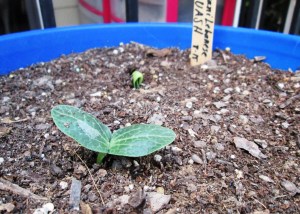
Dirani Lebanese Squash 08/19/2015 variety with a bush-type habit. Those will work in something as small as a five-gallon bucket, but don’t be fooled, it will eventually pour out of the bucket anyway and keep on going!
“Everything that slows us down and forces patience, everything that sets us back into the slow circles of nature, is a help. Gardening is an instrument of grace.”
-May Sarton
 cowpeasinapot